

Photo by Casey Johnson
Article Outline:
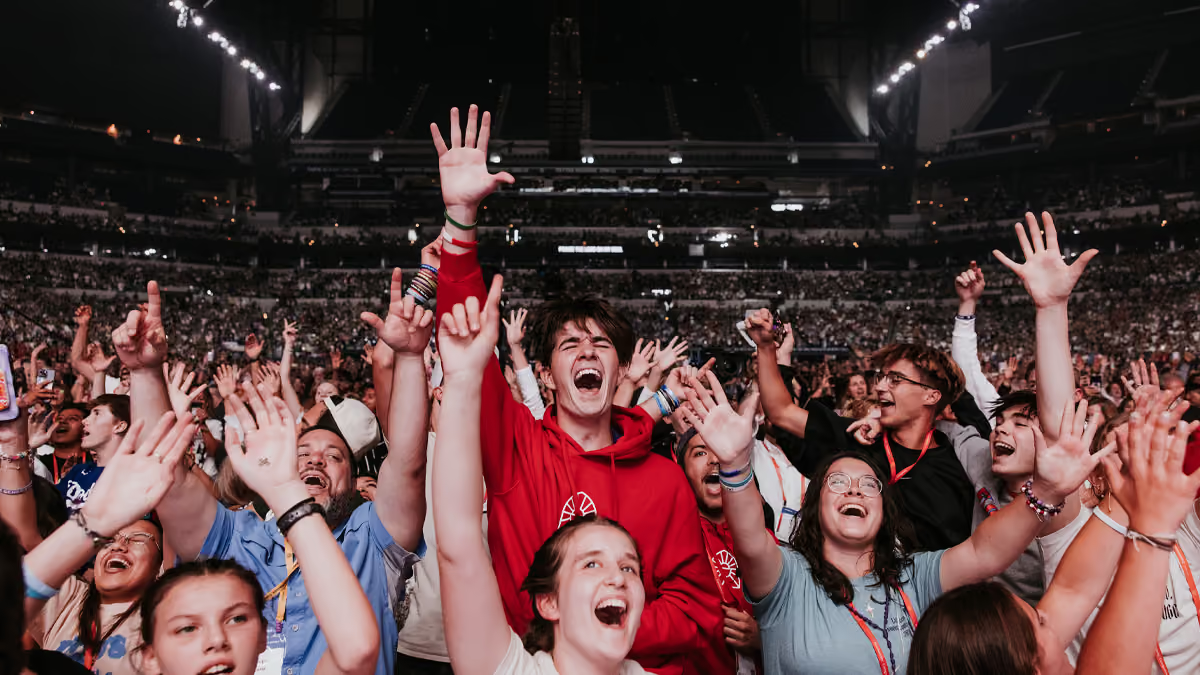
Catholic conferences are bearing incredible fruit across the Church. From large national gatherings to local diocesan events, these events create invaluable opportunities for encounter with Christ and fellowship with like-minded Catholics. But spreading the word can still be a challenge.
At 5 Stones, we’ve had the privilege of working with many Catholic organizations that host conferences and events of all sizes—including SEEK, Steubenville Conferences, and the 10th National Eucharistic Congress. The strategies below reflect what we see working for events that continue to grow year after year.
Maybe you are launching an event for the first time and don’t yet have an audience that knows to look for it each year. Or perhaps you have built a strong core of attendees but feel like growth has slowed. The people who come love your event, but you aren’t sure how to expand your reach.
That’s where a thoughtful Catholic marketing strategy for your event becomes important.
With the right plan in place, conference organizers can expand beyond their existing networks, maintain momentum throughout the year, and steadily grow attendance without scrambling at the last minute.
One of the most common challenges in conference promotion is timing. Some organizers wait until a few months before the event to begin marketing in earnest. By that point, the window for building awareness is already closing.
The most effective Catholic conferences begin promotion very far in advance. That preparation usually includes:

Technology also plays a role here. Platforms such as event management systems, CRM tools, and analytics dashboards allow organizers to see what marketing channels are actually generating registrations. When that infrastructure is in place early, teams can make smarter decisions about where to invest their time and advertising budget.
The earlier a Catholic event marketing plan begins, the more room there is to build anticipation. If you have an event on the horizon but still need to promote it, 5 Stones is here to help you reach the right people at the right time! Let’s talk.
Digital advertising has become one of the most reliable tools for conference promotion because it allows organizers to reach both familiar and new audiences. Different ad platforms can play different roles in your strategy, and often these campaigns do best when they complement one another.
Meta ads—including placements on Facebook and Instagram—work well for introducing the event to potential attendees and encouraging direct registrations. These can highlight keynote speakers, showcase past conference moments, or share short invitation videos.
Google ads help capture people who are already searching for related topics or events. When someone is actively looking for a conference or formation opportunity, search ads can help your event appear at the right moment.

Many conferences have found success asking keynote speakers to record short promotional videos or sharing testimonials from past attendees. These can be used both as ads and effective organic posts. This kind of content helps potential participants imagine what the event will actually be like.
When used thoughtfully, digital ads extend the reach of your Catholic event marketing far beyond your existing email list.
You’ll want to allocate budget to stay in touch with your attendees post-registration.
This may not seem important, as they have already purchased their ticket, but once someone signs up to attend your event, you have a built-in advocate who can recruit friends to join them! And if they have a good experience, they are more likely to come back next year.
Thoughtful communication will build anticipation and keep your event top of mind. Automated email sequences are especially helpful for this stage.
Here are a few elements 5 Stones recommends you include in your post-registration email automation:
This ongoing communication strengthens the connection between the attendee and the event. It also reduces the likelihood of cancellations and helps attendees arrive already excited about the experience ahead.
Geography has a significant influence on event attendance, especially for first-time conferences or when accommodations are scarce.
A good starting point is to look at realistic driving distances from the venue. Many conferences discover that their strongest attendance comes from a defined regional radius. Once that core audience is established, outreach can expand further.

Local relationships often play a major role here. Partnerships with dioceses, parishes, campus ministries, and regional apostolates can help spread the word through trusted networks. When the event is visible within the local Catholic community, awareness tends to grow naturally.
Understanding the geographic footprint of your audience also helps ensure your ad budget is focused where participation is most likely. Consider geotargeting your Google ads in the area you’ve identified. You don’t want a single Catholic in your target area to miss their chance to attend your event!
If you’d like help using geotargeting and other tactics for your marketing, reach out to our team! We would love to work with you.
Digital channels often form the backbone of a Catholic event marketing plan, but many conferences have seen strong results from creative outreach that connects with Catholic audiences in other ways.
Don’t be afraid to go out of the box! You might see great success with:

Large conferences frequently experiment with these approaches to broaden their reach. While not every tactic is appropriate for every event, creative promotion can sometimes introduce the conference to audiences who might never encounter it online.
Sponsors can do more than support the financial side of an event. The most successful conferences use sponsor support to help expand their reach.
Many sponsors already have established audiences through email newsletters, podcasts, or social media. And they likely have chosen to sponsor your event because what you are doing aligns well with their audience and mission. When sponsors share the event with their own audiences, it’s easier to build awareness in the right circles.
Some conferences formalize this collaboration by including sponsors in the marketing plan itself. For example, sponsors might be asked to send a specific number of promotional emails, advertise the conference to their communities in a newsletter, or promote the event on their show or podcast.
When sponsors become active promoters rather than passive supporters, the marketing reach of the conference expands significantly. Sometimes this exposure can be even more valuable than the monetary donation.
Tracking data from your marketing efforts provides valuable insight for future events and will give you the insights you need to make your budget go even farther next year.
Important metrics for your Catholic conference include:
Over time, this cycle of learning and improvement can help your Catholic conference grow steadily while strengthening their core audience.
Catholic conferences create space for people to encounter Jesus, learn about our Catholic faith, and build Christ-centered friendships. They often become moments of conversion and grace that participants carry with them long after the event ends.
Marketing plays a simple but important role in that mission. It helps ensure the people who would benefit from the conference actually hear about it.

With a strategic Catholic conference marketing plan, organizations can expand their reach, strengthen attendance, and build momentum that carries forward from one gathering to the next. It’s all about making sure the right people hear the right thing at the right time.
If your organization is preparing to host a Catholic conference and wants help developing a marketing strategy, 5 Stones would be honored to support your work. Get in touch with our team here!